How Road Salt Damages Lansing Concrete Driveways
How Road Salt Damages Lansing Concrete Driveways
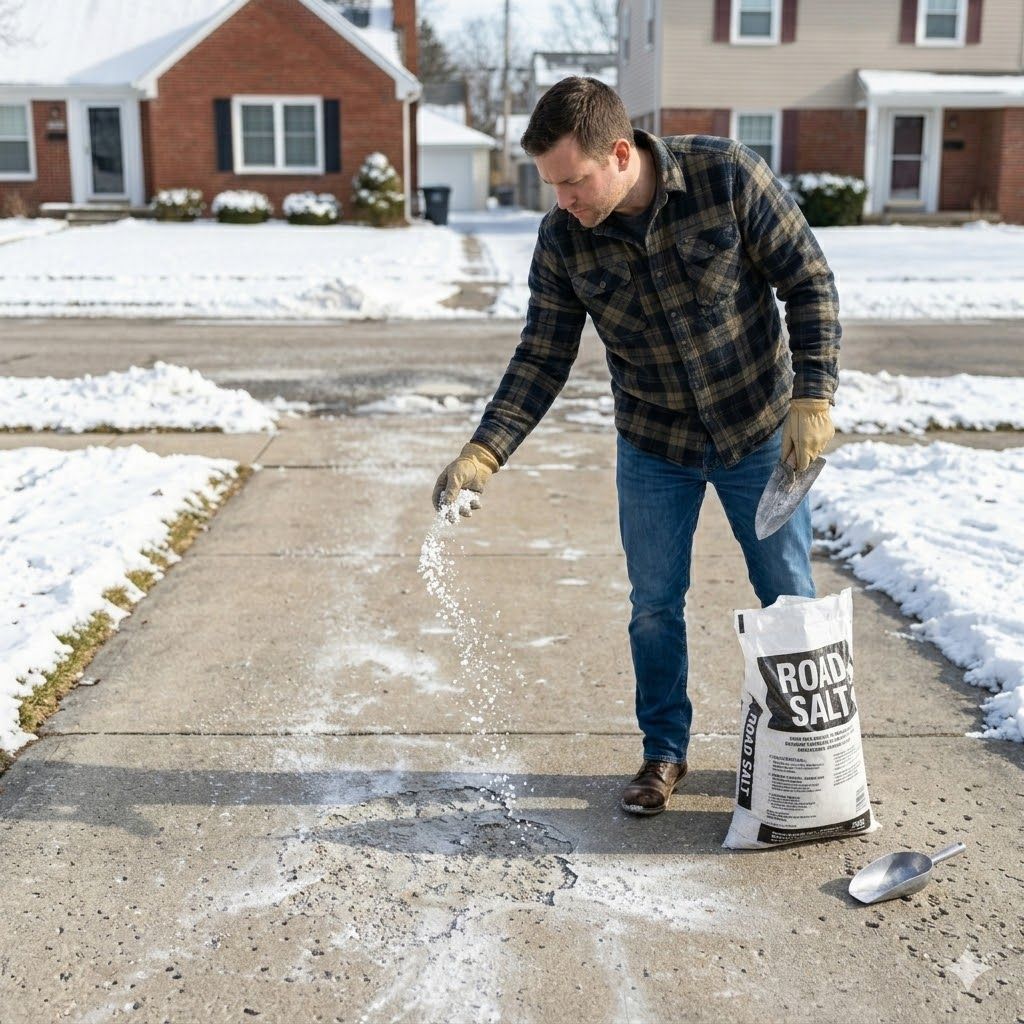
We’ve all been there. A big Michigan blizzard hits, you spend three hours shoveling, and then you reach for the big blue bag of rock salt. It feels like a victory when you hear that "crackle" and see the ice start to melt. But while you’re making your path safe to the car, that salt is starting a chemical and physical war with your Concrete Driveways.
In Lansing, we use road salt more than almost anywhere else. While it keeps us from slipping on our way to a Spartans game, it can turn a beautiful, smooth driveway into a crumbly, flaky mess in just a few seasons
The Science: Why Concrete and Salt Don’t Mix
To understand the damage, we first have to look at what concrete actually is. Even though it feels hard as a rock, concrete is actually a "porous" material. Think of it like a very, very dense sponge. It has millions of tiny little holes and tunnels inside it.
When road salt (usually sodium chloride) is spread on your driveway, it does its job by lowering the freezing point of water. This creates a salty slush. This liquid—now full of chemicals—soaks deep into those tiny holes in your Concrete Driveways.
The "Hidden" Freeze-Thaw Cycle
This is where the real trouble starts. In a typical Lansing winter, the temperature jumps above and below freezing constantly.
- The Melt: Salt melts the ice, and the salty water enters the concrete.
- The Re-Freeze: When the temp drops back down, that water inside the concrete freezes again.
- The Pressure: When water turns to ice, it expands by about 9%.
Because that water is trapped inside the tiny pores of the concrete, it has nowhere to go. It pushes against the walls of those pores with incredible force—often over 100,000 pounds per square inch! Eventually, the concrete gives up, and the surface starts to pop off.
3 Signs Salt is Winning the War
If you aren't sure if your driveway is suffering, look for these three common "Lansing red flags":
1. Scaling and Spalling
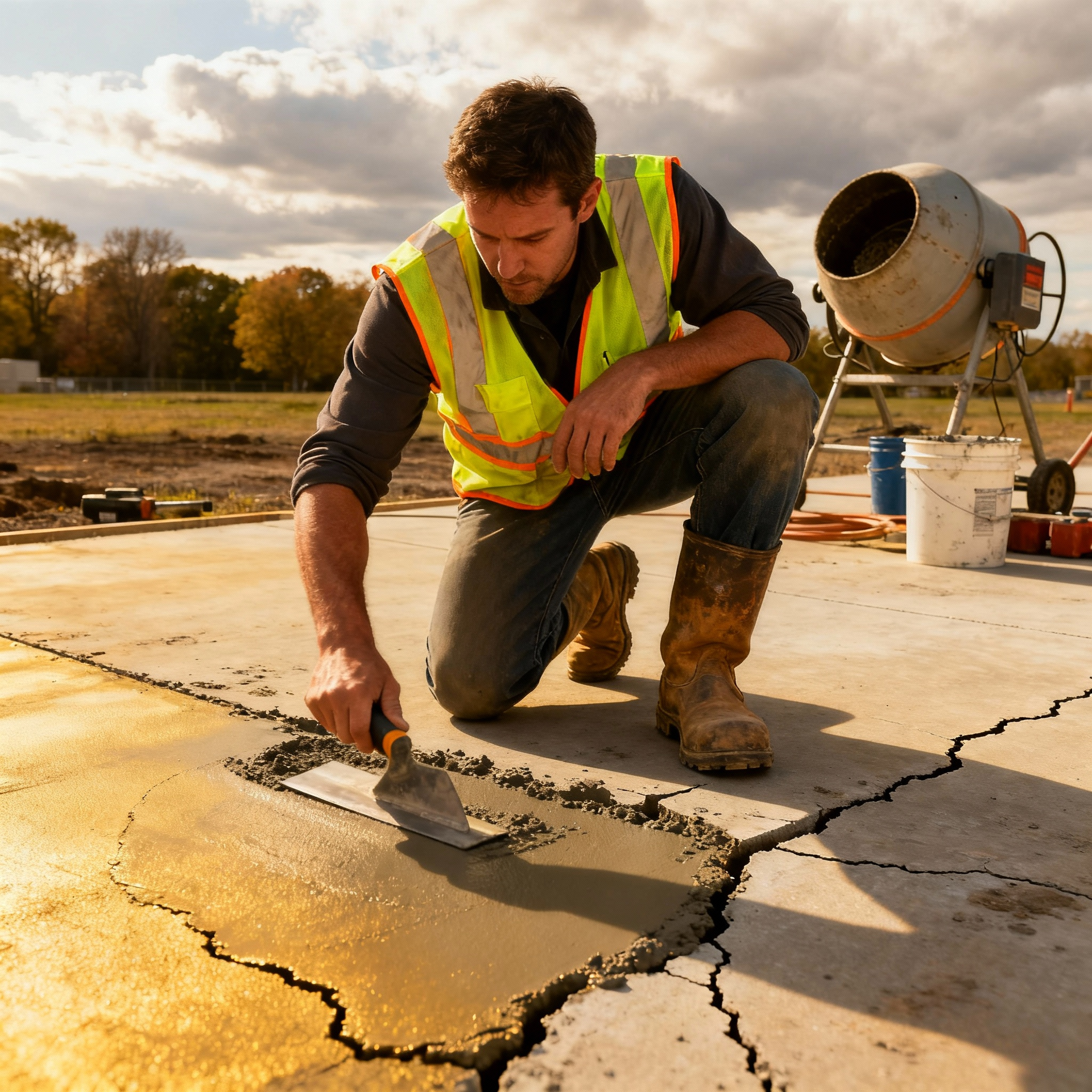
This is the most common sign. You’ll notice thin, flaky layers of the concrete surface peeling off. It usually starts near the street where the city snowplow throws extra slush or right where you park your car (since cars carry salt from the road). If you see this, you likely need a concrete driveway repair service before the damage reaches the rebar.
2. Discoloration
Have you noticed white, chalky stains that won't wash away? Or perhaps dark, damp-looking patches that never seem to dry out? This is often a sign that salt and minerals are trapped inside the slab, slowly weakening the bond of the concrete.
3. "Pop-outs"
This looks like small, cone-shaped craters in your driveway. It happens when a piece of aggregate (the rock inside the concrete) gets wet, freezes, and explodes out of the surface. This is a sure sign your concrete installation is being tested by the elements.
How to Protect Your Driveway This Winter
You don't have to just sit back and watch your driveway crumble. Here are a few expert-approved ways to fight back:
- Seal Your Concrete: Think of a sealer like a raincoat for your Concrete Driveways. It fills those tiny pores so the salt water can't get in. At Precision Paving Lansing, we recommend a high-quality silane or siloxane sealer for Michigan homes.
- Switch to Sand: Sand doesn't melt ice, but it gives you grip. It’s 100% safe for your concrete and won't cause any chemical damage.
- Wash Your Driveway: On those rare "warm" January days when it hits 40 degrees, grab the hose! Rinsing the salt off your driveway (and the underside of your car) can stop the damage in its tracks.
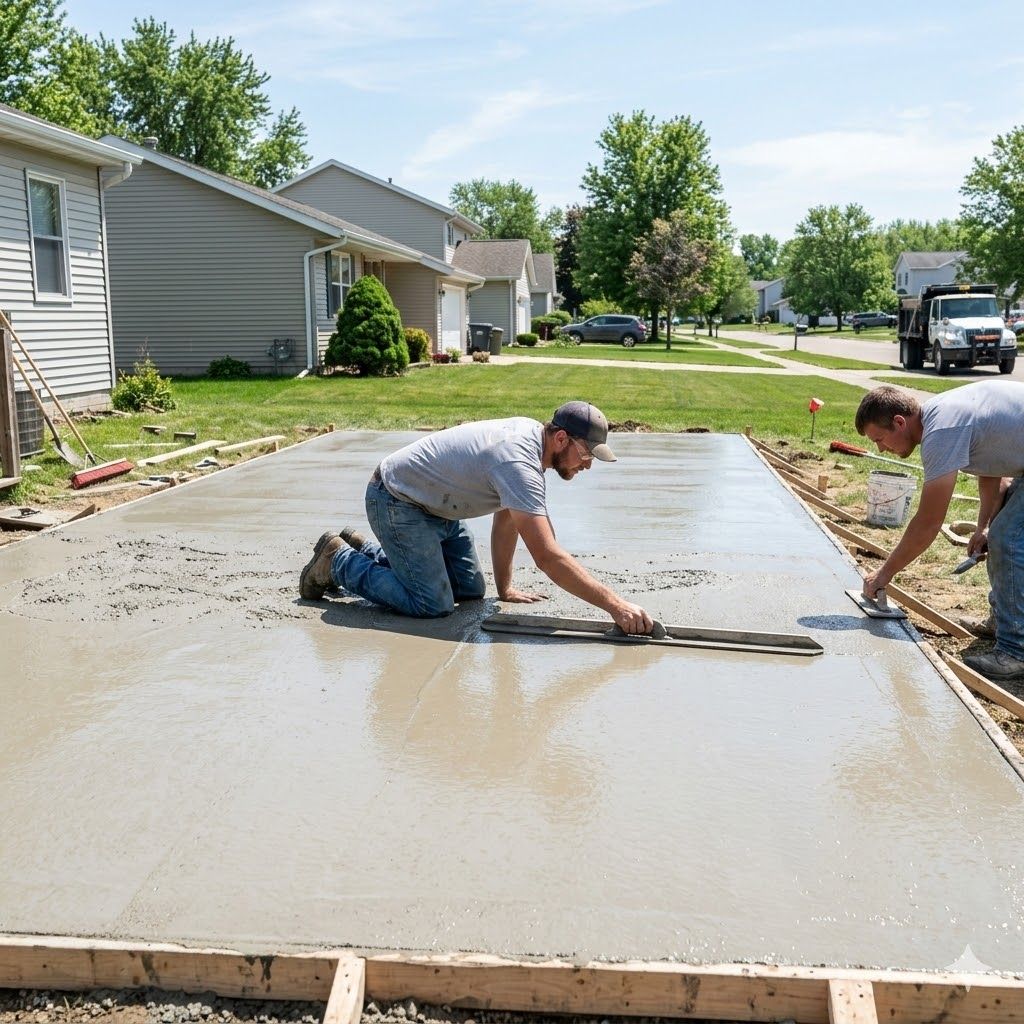
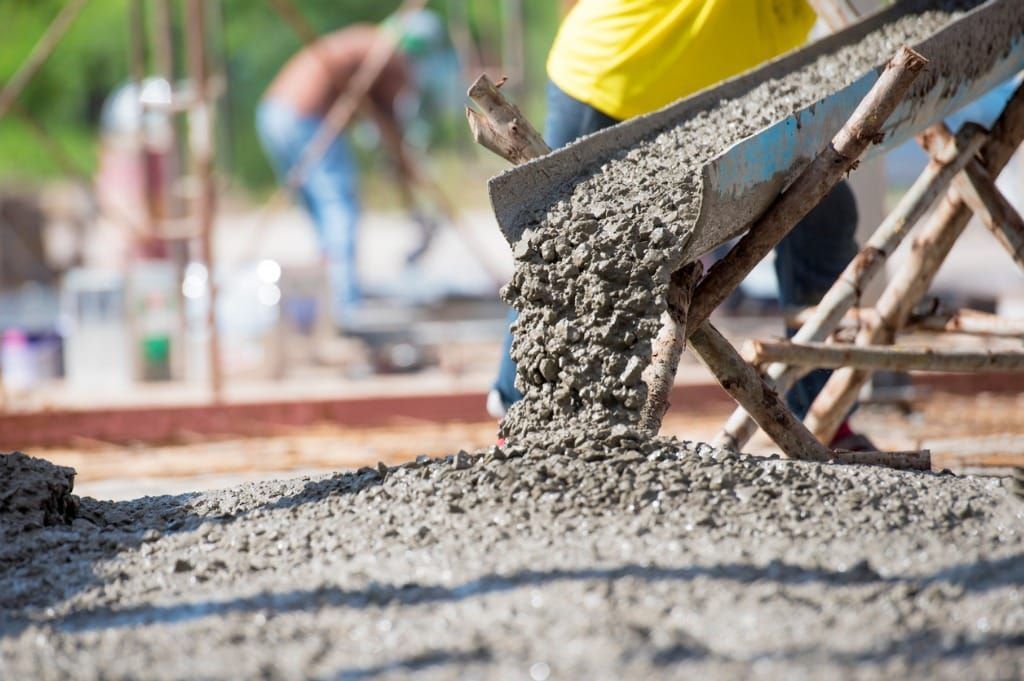
- Avoid Salt on New Concrete: If you just had a concrete pouring service finish a new slab this year, DO NOT use salt. New concrete is even more porous and needs at least a year to fully cure before it can handle chemicals.
Concrete Durability Statistic
According to the
American Concrete Institute (ACI), concrete driveways that are properly sealed can last
up to 50% longer in cold-weather climates compared to unsealed slabs. Furthermore, research shows that road salt can increase the number of freeze-thaw cycles a driveway experiences by more than
10 times in a single winter.
When "DIY" Isn't Enough
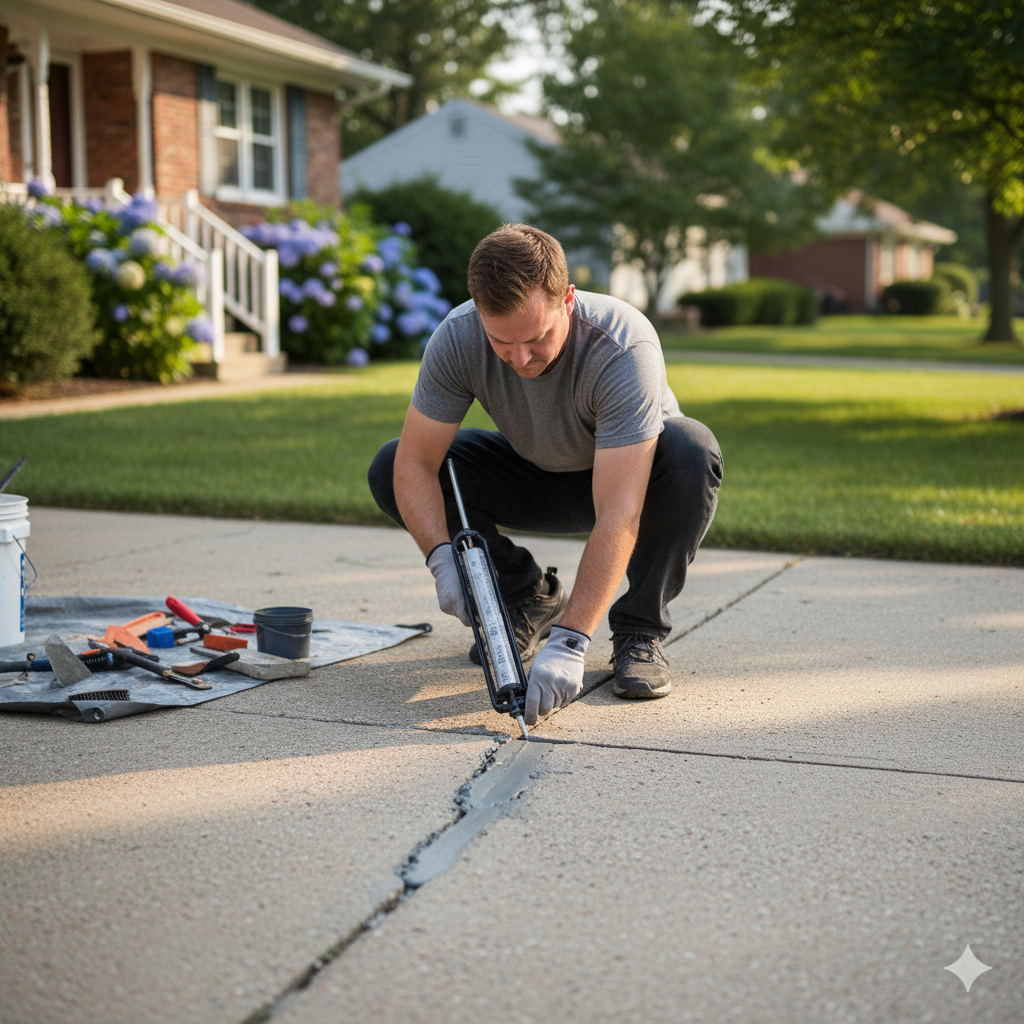
Maybe you’re looking at your driveway right now and seeing those cracks and flakes. You might be tempted to go buy a bag of "patch" from the hardware store. While that works for a week or two, it rarely survives a Lansing February.
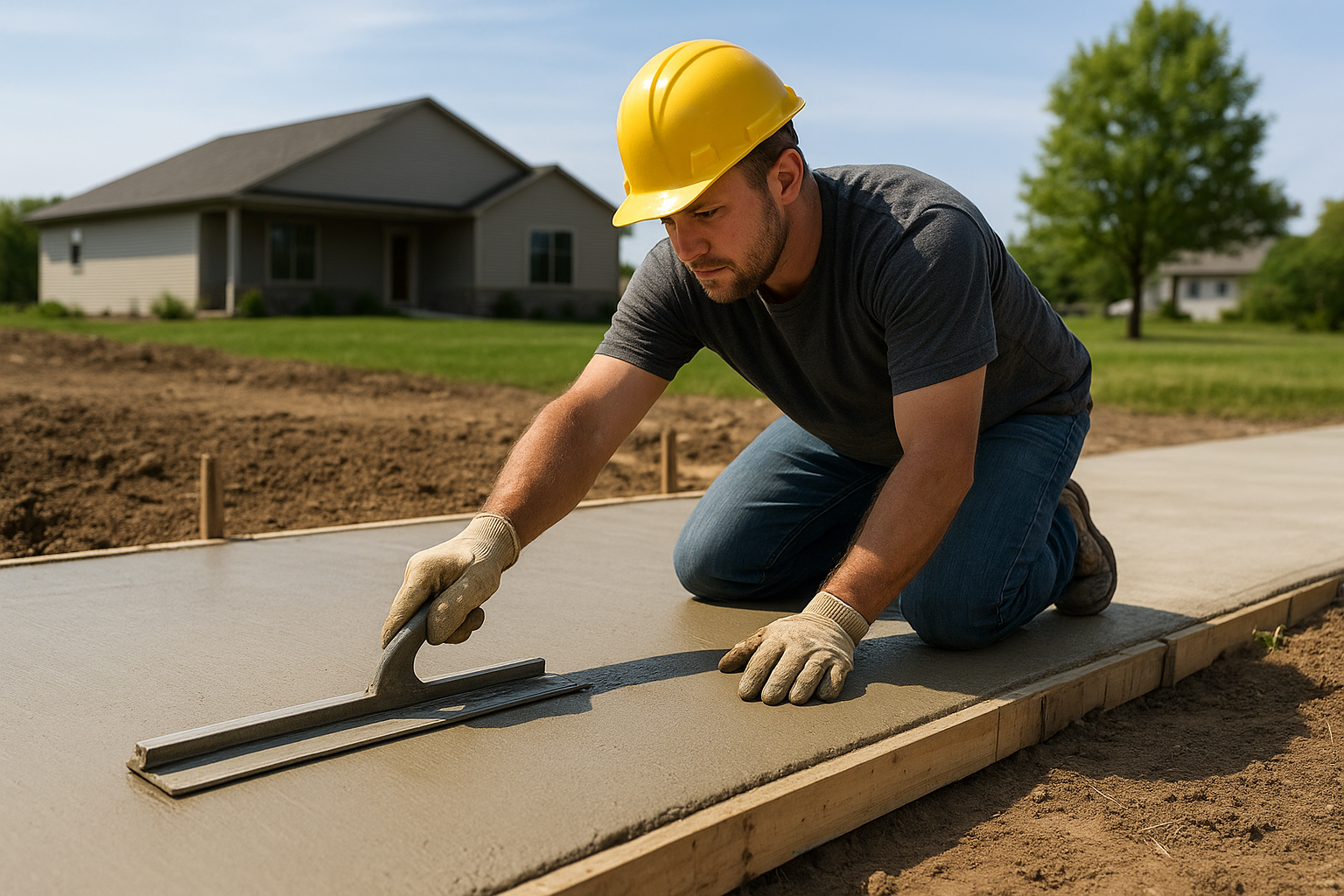
This is where the "Ghosting" issue we talked about comes in. You want a team that actually shows up, assesses the structural damage, and gives you a fix that lasts. Whether you need a simple concrete driveway repair or a full concrete sidewalk installation because your path to the porch has crumbled, you need a local partner you can trust.
"Salt is the silent killer of Michigan driveways. Most homeowners don't realize the damage is done until the spring thaw reveals a surface that looks like Swiss cheese." —
Precision Paving Specialist
FAQ: Lansing Driveway & Salt Questions
Is there a "safe" salt for concrete?
Not really. Any chemical that melts ice creates a salty brine that can cause freeze-thaw damage. However, Magnesium Chloride is generally considered the "least harmful" of the melting agents.
Can I fix salt damage myself?
You can use a concrete resurfacer for cosmetic scaling, but if the cracks are deep, you're likely looking at a structural issue. Check out our ultimate guide to concrete repair in Lansing for more details.
Why is my neighbor's driveway fine while mine is crumbling?
It often comes down to the quality of the concrete pouring. If the mix had too much water in it when it was poured, it becomes much more porous and prone to salt damage.
Should I get stamped concrete instead?
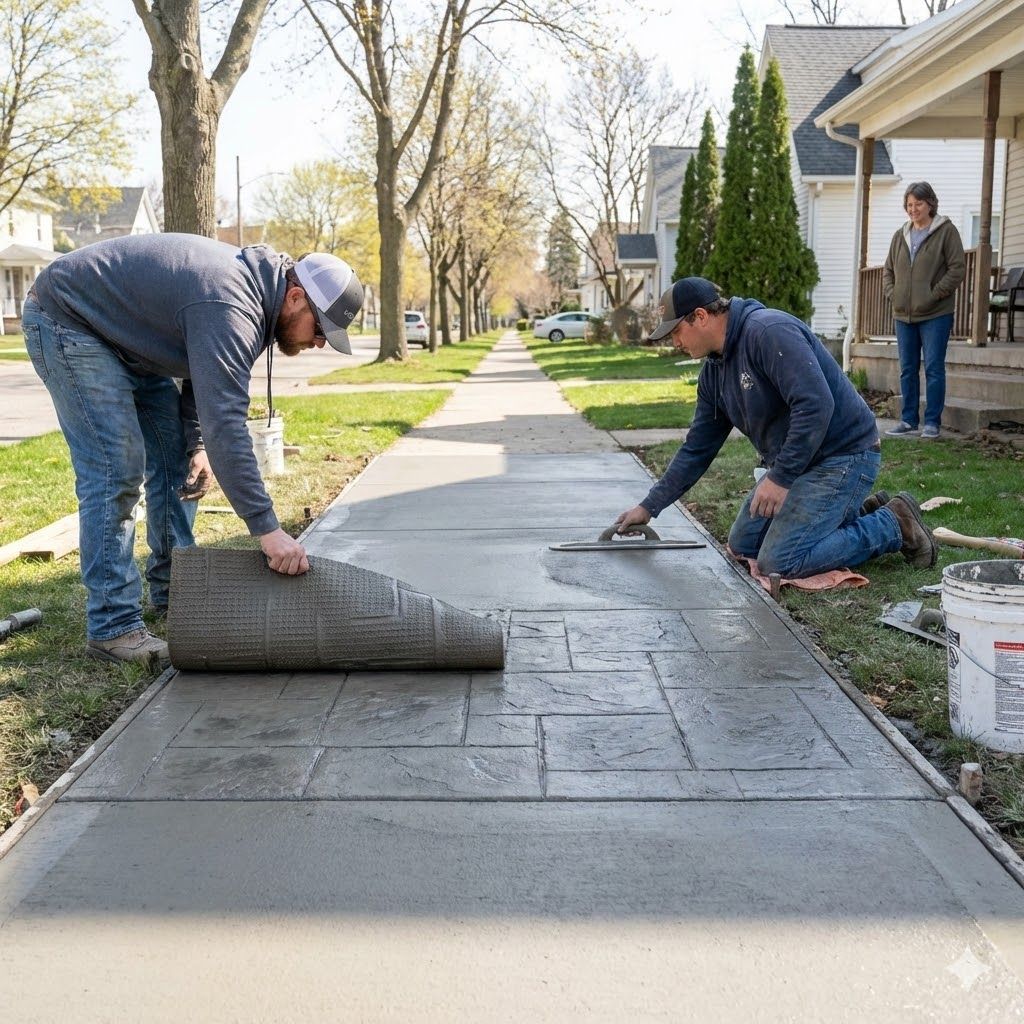
Stamped concrete is beautiful and can be very durable, but it still needs to be sealed to protect the colors and patterns from road salt.
Conclusion: Don't Let the Salt Win
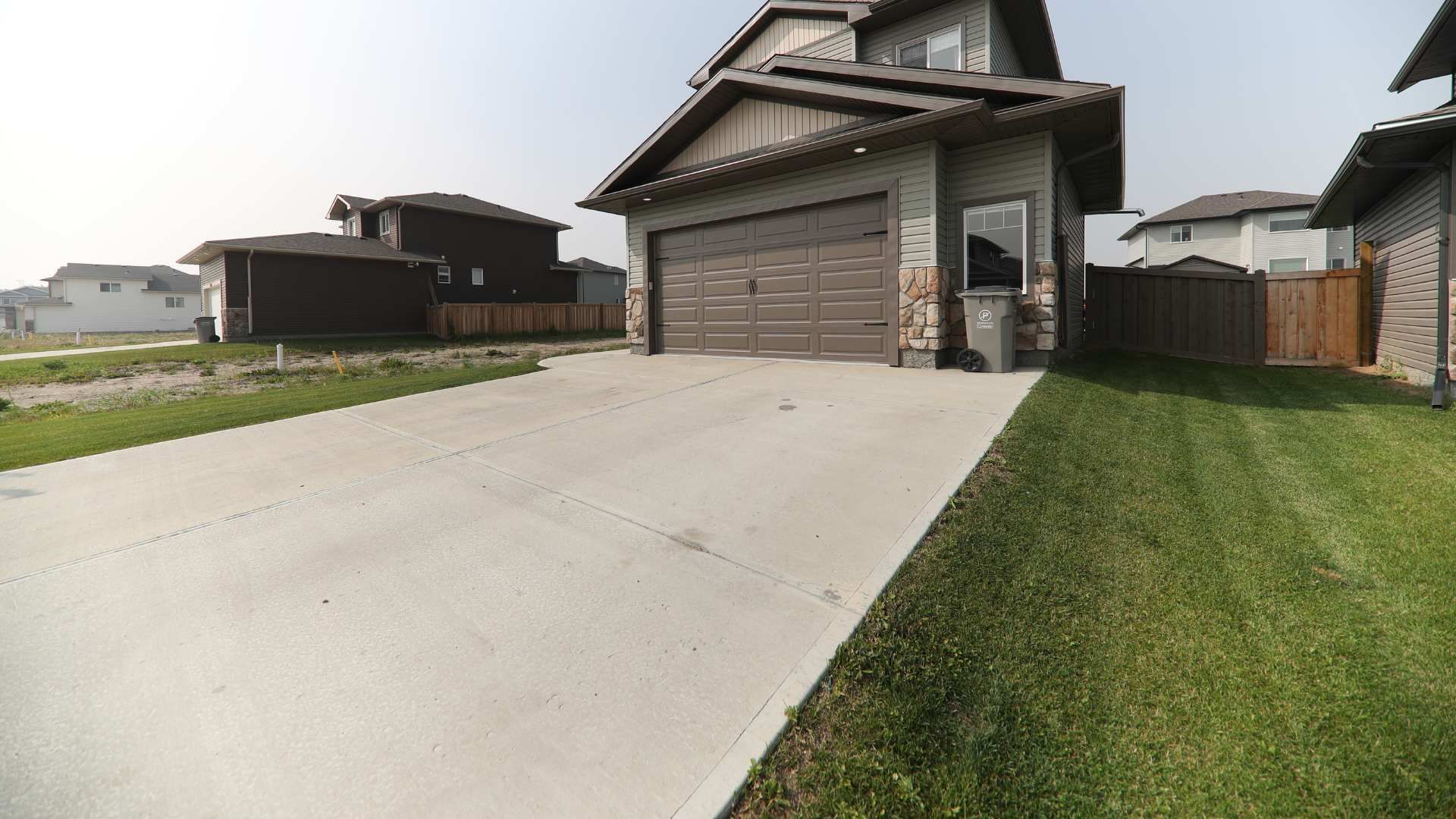
Your driveway is one of the first things people see when they pull up to your Lansing home. It’s a big investment, and while our winters are tough, your Concrete Driveways are tougher—if they have the right protection.
By choosing the right de-icers, keeping up with sealing, and acting fast when you see damage, you can keep your pavement looking great for decades.
Is your driveway looking a little "salty" lately?
Don't wait until a small crack becomes a major foundation issue. We pride ourselves on being the Lansing company that actually answers the phone and stays until the job is done. Whether you need a quick repair or are thinking about a brand new concrete patio for the summer, we’ve got you covered.
Contact Precision Paving Lansing today for a free quote and let's get your driveway ready for whatever Michigan throws at it next!