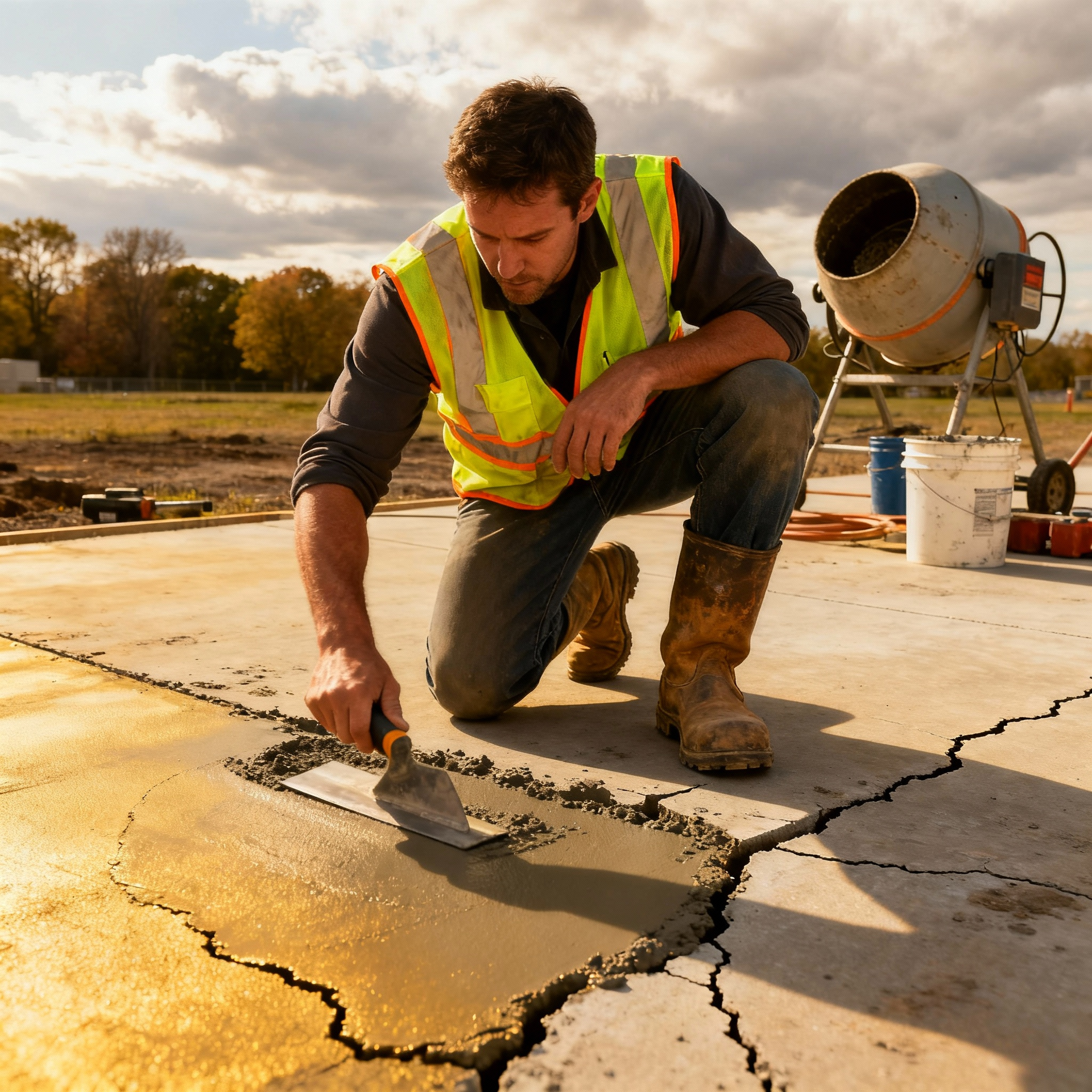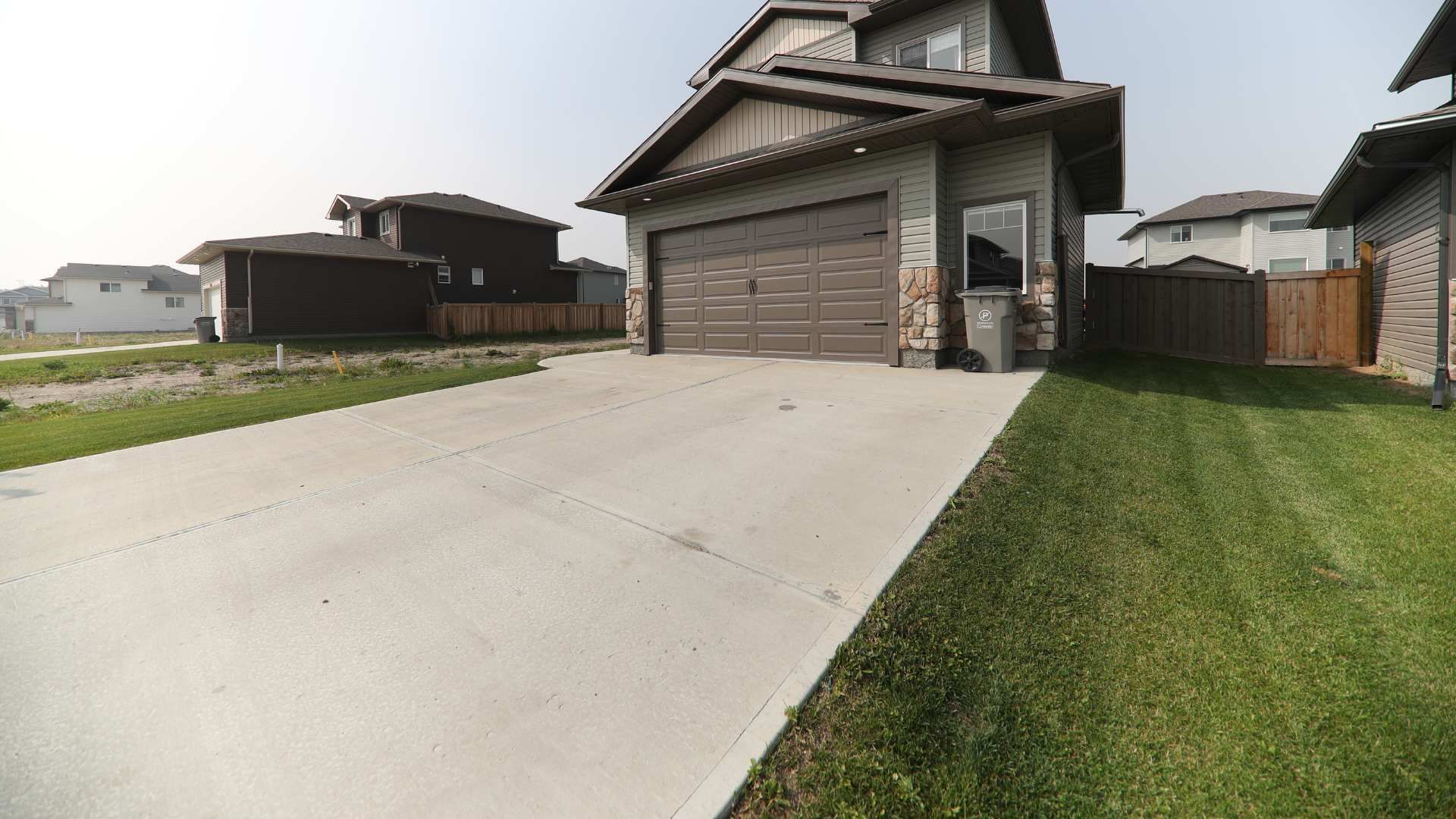
How We Pour a Concrete Slab in Lansing, MI (How-To)
How We Pour a Concrete Slab in Lansing, MI (How-To)
So, you’ve decided it’s time to finally build that shed, expand your patio, or create a solid parking spot for the boat. In Lansing, we love a good project. There’s something deeply satisfying about looking at a finished concrete slab and knowing you did it right.
But here’s the reality: concrete is heavy, it’s fast-moving, and it is very, very permanent. In Michigan, we also have to deal with the "frost heave" monster. If you don't build your slab correctly, the first deep freeze in January will snap it like a cracker.
In this guide, we’re going to walk you through the exact process we use at Precision Paving Lansing. Whether you want to try this yourself or you're just looking to see if a local concrete installation service in Lansing is doing the job right, this "How-To" is for you
Step 1: Planning and Permits
Before you touch a shovel, you need to know where your property lines are and what the city requires. Lansing has specific codes for how close a concrete slab can be to your neighbor's fence.
Pro Tip: Always call 811 before you dig. You don’t want to find a gas line the hard way. If the paperwork and the digging sound like a headache already, you might want to look into a professional concrete pouring service to handle the logistics.
Step 2: The "Hidden" Secret (Site Prep)
Most DIY-ers think the concrete is the most important part. They’re wrong. The dirt under the concrete is what actually supports the weight.
In Lansing, we have a lot of clay. Clay holds water, and water expands when it freezes. To keep your concrete slab from cracking, you need to:
- Dig deep: Dig out about 8 inches of soil.
- Add a subbase: Fill that hole with 4 inches of compactable gravel (21AA crushed limestone is a local favorite).
- Compact it: You need a power plate compactor. If the gravel isn't hard enough to walk on without leaving footprints, it's not ready for concrete.
This is the secret to a perfect concrete patio and a slab that doesn't sink.
Step 3: Setting the Forms
Your forms are the "mold" for your concrete. We typically use 2x4 or 2x6 lumber.
- Leveling: Use a string line and a level.
- The Slope: This is crucial. Your concrete slab must slope slightly away from your house. We recommend a 1/8-inch drop for every foot of distance. If you don't do this, rain will run toward your foundation, and you’ll be calling for a concrete foundation repair service sooner than you think.
Step 4: Adding the "Bones" (Reinforcement)
Concrete has great "squish" strength but bad "pull" strength. To keep it from pulling apart, you need reinforcement.
- Rebar: Best for driveways.
- Wire Mesh: Great for standard shed or patio slabs.
- Fiber: Ask your concrete supplier to mix "fiber mesh" into the truck. It adds millions of tiny reinforcements throughout the whole concrete slab.
Comparison: DIY vs. Hiring Precision Paving Lansing
Feature
The DIY Route
Precision Paving Lansing
Physical Effort
Back-breaking (literally)
You sit on the porch with a coffee
Equipment
You have to rent/buy everything
We bring the heavy machinery
The "Oops" Factor
One mistake = permanent crack
We have a "No-Ghosting" guarantee
Time
2-3 weekends
Usually finished in 1-2 days
Curb Appeal
Often looks "homemade"
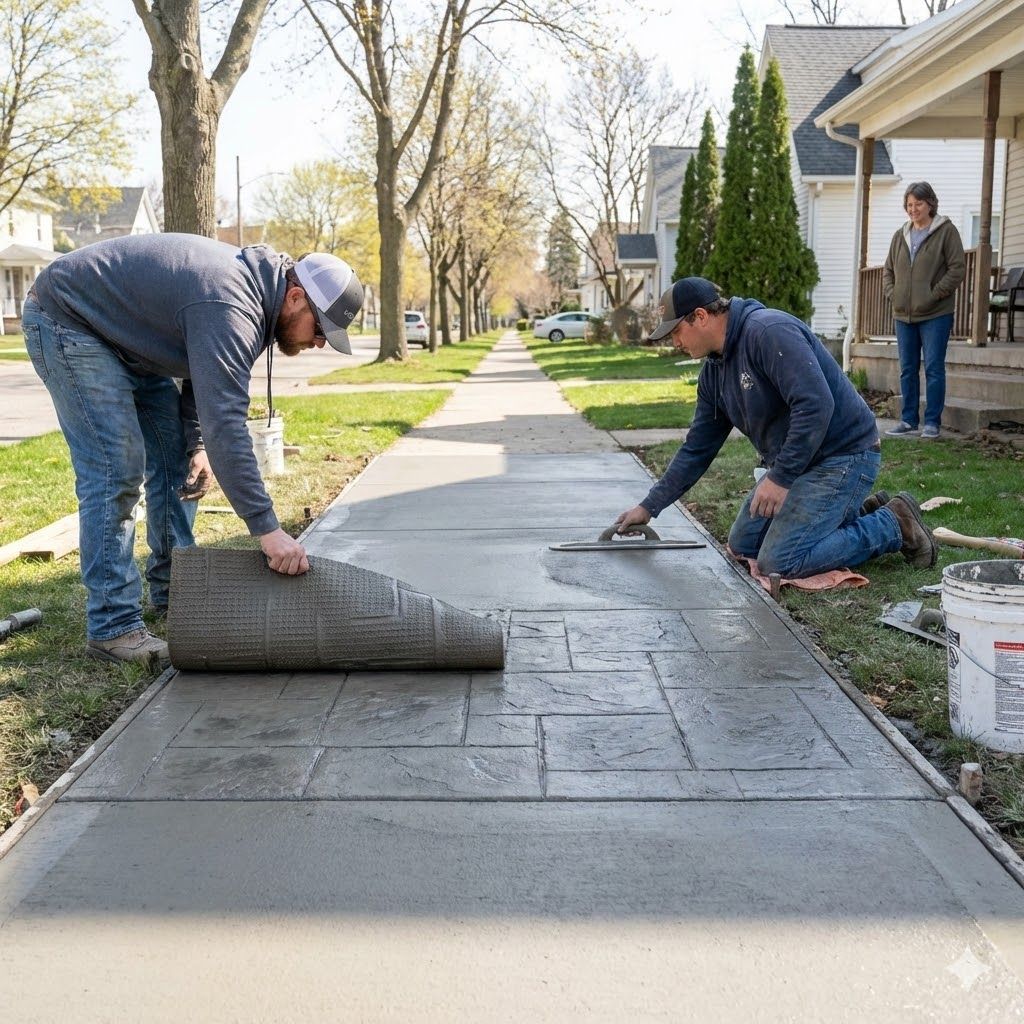
Professional stamped concrete options
Step 5: The Big Pour
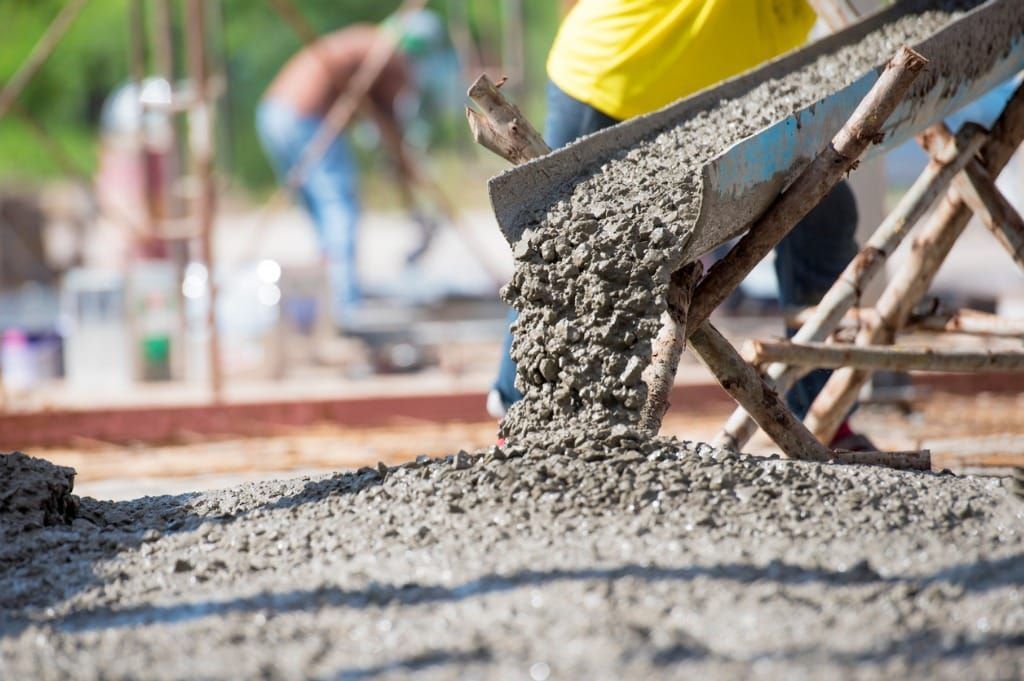
This is the most stressful part of the job. Once that truck from the concrete pouring service pulls up to your Lansing home, you have about 90 minutes to get the work done.
- Pour: Start at the farthest corner and work your way back.
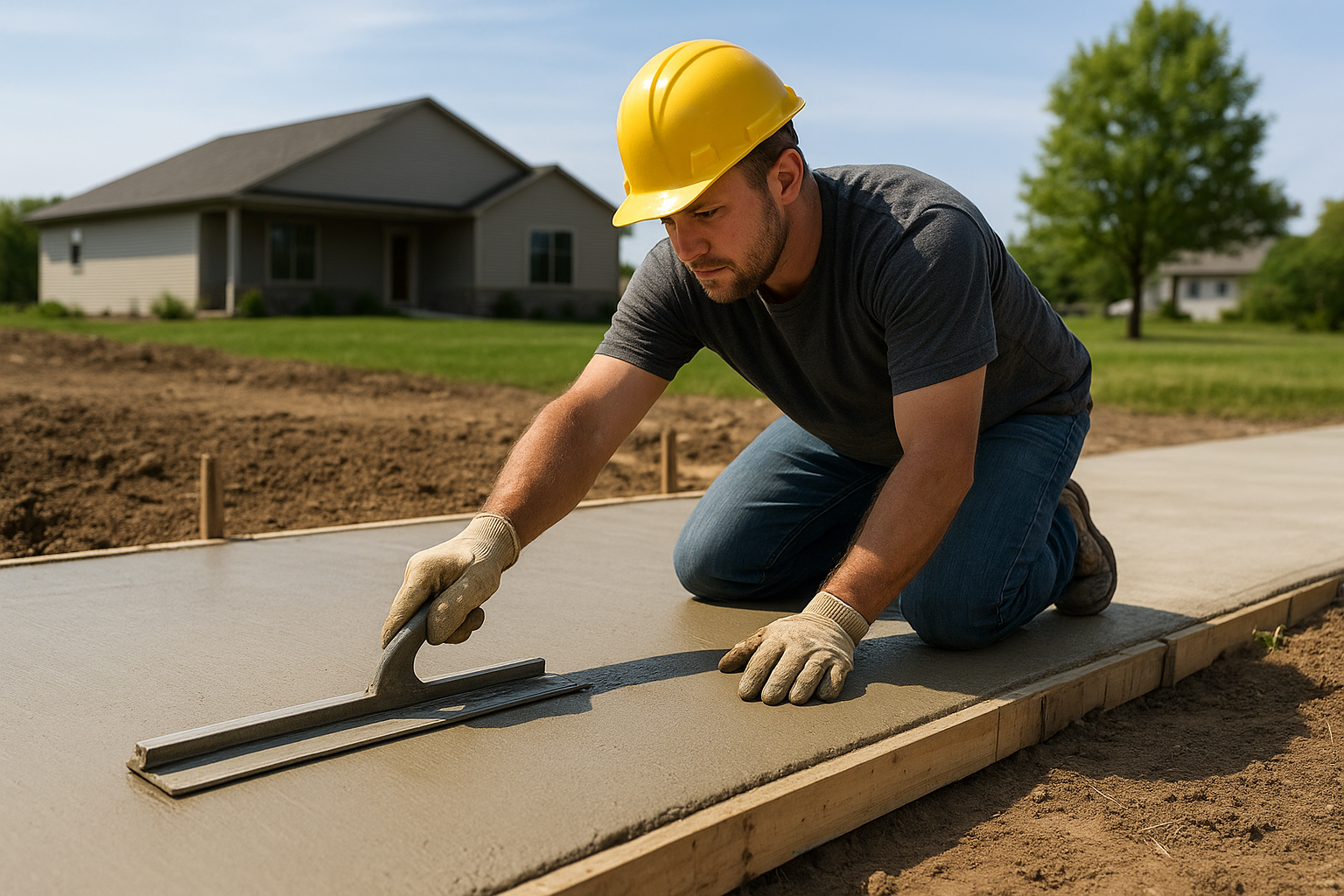
- Screed: This takes two people. You use a long straight board to "saw" back and forth across the top of the forms to level the wet concrete.
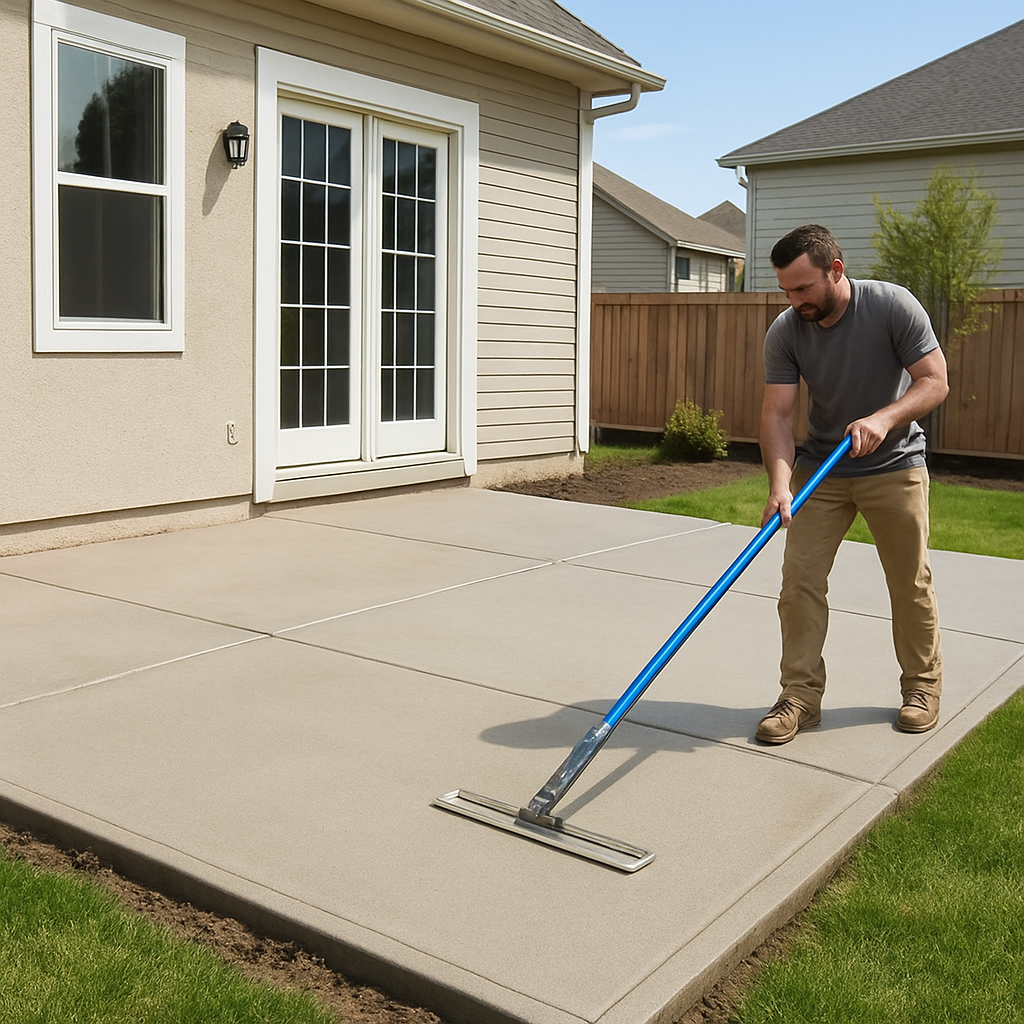
- Bull Float: Use a large flat tool on a pole to push down the rocks and bring the "cream" to the surface.
"Concrete waits for no one. If you aren't ready when the truck shows up, the concrete will decide the finish for you—and usually, it chooses 'ugly'." —
Lansing Paving Pro
Step 6: Finishing Touches
After floating, you have to wait. When the "bleed water" (the shiny pool on top) disappears, it’s time to finish.
- Edge it: Use an edging tool to make a nice rounded border.
- Joint it: Every 8 to 10 feet, cut a "control joint" at least 1 inch deep. This tells the concrete slab where to crack so it doesn't look like a spiderweb later. This is a key part of sidewalk installation too.
- Broom Finish: Pull a specialized broom across the surface for a non-slip texture.
Concrete Durability Statistic
According to the
National Ready Mixed Concrete Association (NRMCA), a concrete slab that is properly reinforced and has a 4-inch compacted gravel base can withstand over
4,000 pounds per square inch (PSI). However, if the subbase is neglected, even the thickest concrete can fail under the weight of a standard SUV within just 24 months.
Step 7: The Cure
This is the step most DIY-ers skip, and it’s why their concrete flakes off after one winter. You must keep the concrete wet. For at least 7 days, spray your new concrete slab with water or apply a curing compound. This prevents the moisture from leaving too fast, which makes the concrete much harder.
If you're worried about how our Michigan winters will treat your new project, take a look at our ultimate guide to protecting your concrete driveway.
When to Call the Pros (And Avoid Being Ghosted)
We get it—some people love the challenge of a DIY concrete slab. But if you find yourself staring at a pile of gravel and a 10-day forecast of rain, it might be time to call in the cavalry.
The problem in Lansing is finding a contractor who actually answers the phone. We’ve all heard the "ghosting" stories—the guy who takes a deposit and disappears, or the crew that leaves your yard a mess.
At Precision Paving Lansing, we built our reputation on doing the opposite. We show up, we do the work, and we stay until you’re happy. If you’re seeing signs you need concrete repair or you just want a brand new installation, we’re the team that won’t leave you hanging.
FAQ: Concrete Slab Questions
How thick should a concrete slab be?
For a walkway or patio, 4 inches is standard. For a driveway or a heavy shed, we recommend 5 to 6 inches.
Can I pour concrete in the rain?
A light drizzle is okay, but a downpour will ruin the surface. Always have a tarp ready! If you’re unsure, check out our 4 steps to a flawless concrete pour.
How long until I can walk on it?
Usually 24 hours for foot traffic. Wait at least 7 to 10 days before putting heavy equipment or a vehicle on it.
Why is my new slab already cracking?
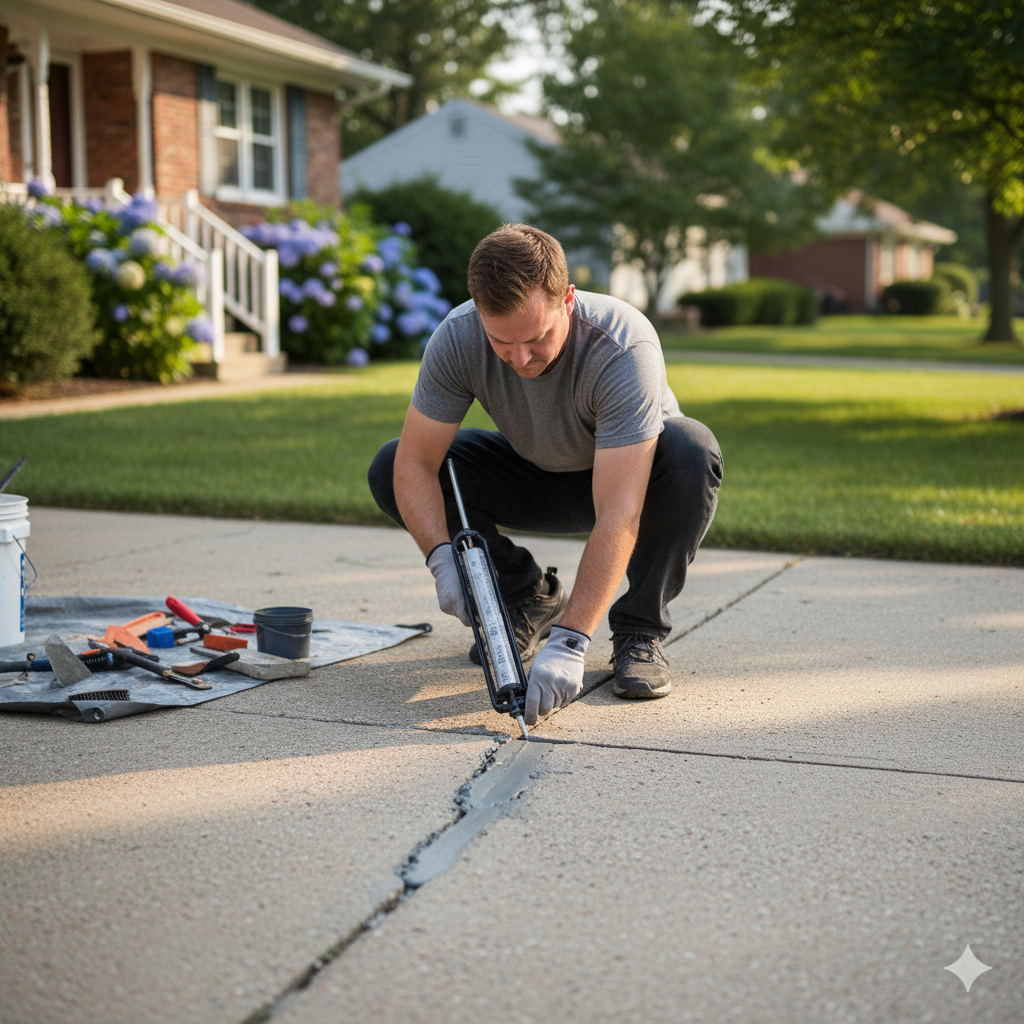
If you didn't cut control joints or if the ground wasn't compacted, cracks are inevitable. Check out this ultimate guide to concrete repair to see if you can fix it yourself.
Conclusion: You’ve Got This (But We’re Here if You Don’t)
Building a concrete slab is a rite of passage for many homeowners. It’s hard work, but the results can last a lifetime. By following these steps—focusing on that subbase and the curing process—you’ll have a slab that makes the neighbors jealous.
But remember, you don't have to go it alone. If the work feels like too much, or if you want a professional concrete driveway repair rather than a DIY attempt, we are just a phone call away.
Ready to get started on your Lansing home?
Don't let your project turn into a "ghost story." Contact Precision Paving Lansing today for a free quote. We’ll bring the tools, the crew, and the expertise to get the job done right the first time!
This is paragraph text. Click it or hit the Manage Text button to change the font, color, size, format, and more. To set up site-wide paragraph and title styles, go to Site Theme.